At a time when insecticide resistance threatens progress in the fight against malaria, the scientific community is exploring innovative approaches that harness the power of nature. Among the most promising solutions are entomopathogenic fungi, microorganisms specialized in parasitizing and killing insects. This article explores in depth how fungal species such as Metarhizium anisopliae and Beauveria bassiana are revolutionizing strategies for controlling malaria-carrying mosquitoes, offering a sustainable and effective alternative to chemical insecticides.
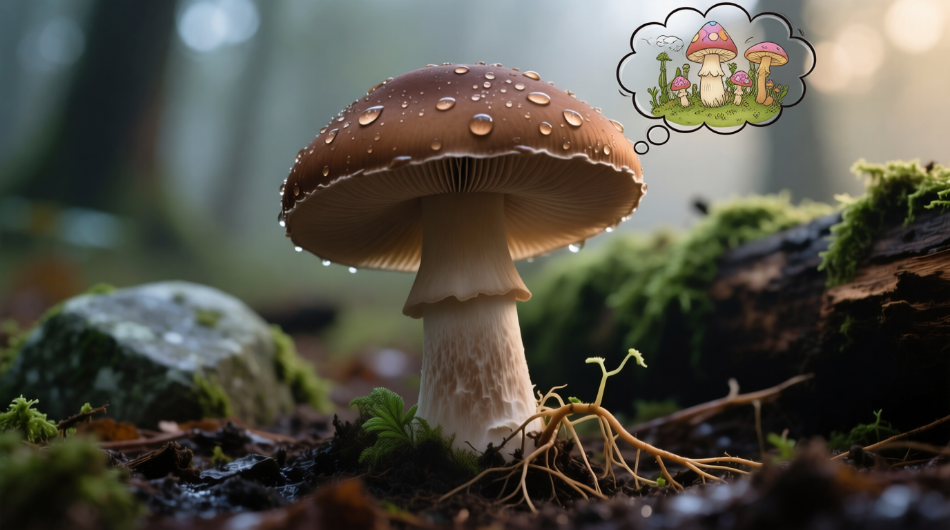
Today we delve into one of the most fascinating and controversial areas of contemporary biology, exploring the scientific discoveries that are radically redefining our understanding of the fungal world and the very boundaries of biological consciousness. For centuries, we have considered fungi as passive organisms, simple decomposers, or, at best, culinary ingredients. However, the latest research is painting a completely different picture, revealing a universe of complexity, intelligence, and perhaps even a rudimentary form of consciousness that challenges every preconception. Through innovative studies that combine mycology, neuroscience, physics, and computer science, we are discovering that mycelial networks possess extraordinary capabilities: they process information, make decisions, exhibit memory and learning, and communicate through sophisticated signaling systems. This article is an in-depth journey through the experimental evidence, scientific theories, and philosophical implications of what could prove to be one of the most significant revolutions in the way we conceive of life and mind on our planet.
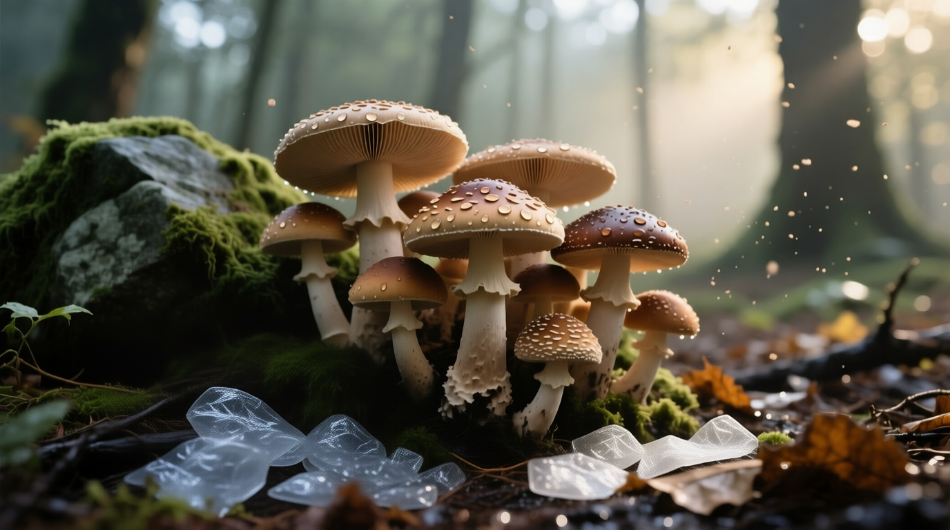
For centuries, gathering wild mushrooms has been an activity deeply rooted in culture and tradition, a bridge between humans and the forest that has provided not only nourishment but also mystery and wonder. Mycologists, botanists, and amateurs have always focused their attention on traditional dangers: the toxicity of some species, morphological confusion, and gathering sites contaminated by heavy metals. Today, however, a new, invisible, and pervasive threat is emerging within the fungal kingdom, one that challenges our very perception of the purity of nature. This article aims to explore, in extremely detailed and technical detail, the alarming evidence that wild mushrooms, these extraordinary eukaryotic organisms, are capable of absorbing and accumulating microplastics from their environment, becoming potential vectors of this anthropogenic pollutant in the food chain. Addressing mycoculturists, expert collectors, and researchers, we will explore every aspect of this phenomenon, from the physiological mechanisms of absorption to the implications for human health and mycoculture, providing unpublished data, statistical tables, and a solid scientific basis for a new ecological and practical awareness.